Trend Evaluation of 7059801767, 7068680104, 7177310101, 7207120300, 7324318400, 7574686111

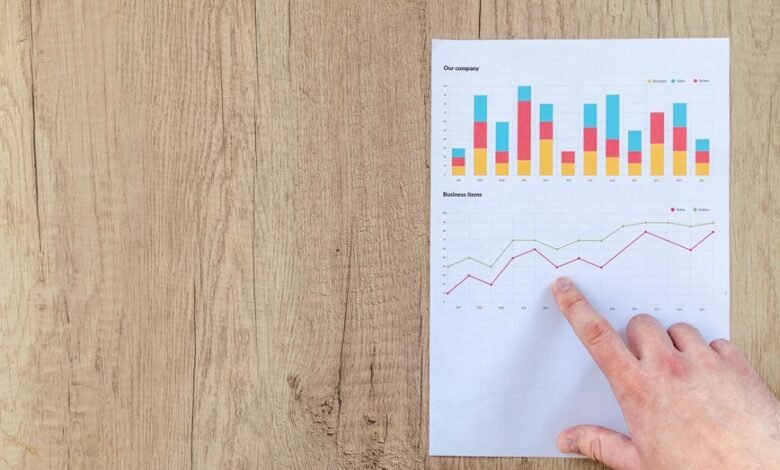
The trend evaluation of identifiers 7059801767, 7068680104, 7177310101, 7207120300, 7324318400, and 7574686111 uncovers significant patterns affecting market dynamics. Fluctuations in consumer behavior are closely tied to economic indicators, such as price sensitivity and evolving preferences. These insights are crucial for stakeholders aiming to navigate future market movements. Understanding these trends will be essential for strategic decision-making in an increasingly complex environment. What specific factors might influence these trends further?
Performance Analysis of Identifiers
The efficacy of identifiers plays a crucial role in the accurate analysis of numerical trends within datasets.
Identifier efficiency directly influences data interpretation, allowing for streamlined assessments of complex information.
By employing robust identifiers, analysts can reduce ambiguity, enhance clarity, and ultimately foster a more profound comprehension of the underlying data.
This precision empowers stakeholders to make informed decisions, promoting greater autonomy in their endeavors.
Market Fluctuations and Consumer Behavior
Although market fluctuations can often appear erratic, they are frequently driven by identifiable patterns in consumer behavior.
Analyzing market dynamics reveals how buying patterns respond to economic indicators, reflecting varying price sensitivity and shifting consumer preferences.
Demand shifts are often correlated with external factors, leading to notable changes in purchasing habits.
Understanding these relationships is crucial for anticipating future market movements and optimizing strategies.
Future Implications and Trends
As market dynamics evolve, implications for future trends become increasingly evident, underscoring the importance of ongoing analysis.
Future predictions indicate a shift towards personalized consumer experiences, driven by data advancements.
Trend forecasting will require businesses to adapt swiftly, leveraging analytics to remain competitive.
Consequently, embracing flexibility and innovation will be crucial for organizations seeking to thrive in an ever-changing marketplace.
Conclusion
In conclusion, the intricate dance of market dynamics revealed through the trend evaluation of identifiers underscores a symphony of consumer behavior in response to economic stimuli. As stakeholders decode these patterns, they wield the compass to navigate future uncertainties, steering their strategies through the shifting tides of preferences and price sensitivity. The insights gleaned serve not merely as a mirror reflecting past behaviors, but as a beacon illuminating the path forward in an ever-evolving marketplace.